Virtual Reality in Design
VR is no longer a curiosity. It’s a real tool for building experiences, communication, and sales — if designed well.
What is VR in the context of design?
Virtual reality is an immersive digital environment the user enters. Unlike classic 2D interfaces, everything happens “inside” — from a first‑person perspective. Every element (graphics, typography, motion, sound) shapes presence and emotion.
For a designer this means:
- you design a world, not a screen,
- you think about physics, space, and motion,
- you create an experience, not just an interface.
What does VR change for brands?
A new communication language
Instead of describing a product, you let people experience it. Instead of a static campaign — an interactive brand world.
Higher memorability
Interactions in VR are processed by the brain like real events. They stay longer and feel stronger than traditional ads.
Prototyping without limits
For UX teams it’s a chance to test space, flows, and features in a controlled environment without physical costs.
Examples of VR use in design and marketing
Virtual showrooms – customers enter a brand space, view products at 1:1 scale, change colors and variants. Onboarding and education – instead of a PDF manual, users go through an experience. Events and launches – VR events with unique design and narrative. UI/UX in 360° – interactions account for gaze, gesture, voice, distance, and context.
Opportunities and benefits for your brand
Standing out – VR is still fresh enough that a well‑designed experience stays in memory.
Better product understanding – especially in technical and interior industries, where 3D visualization removes barriers.
Higher engagement – users spend more time with a brand than in classic online channels.
Risks and challenges
Entry barrier – not every audience has access to VR hardware.
Production costs – VR requires more resources than 2D campaigns.
UX without standards – in 3D, familiar UI patterns don’t apply. You have to build the rules.
Stimulus overload – poorly designed experiences can be tiring or cause motion sickness.
What to pay attention to when designing for VR?
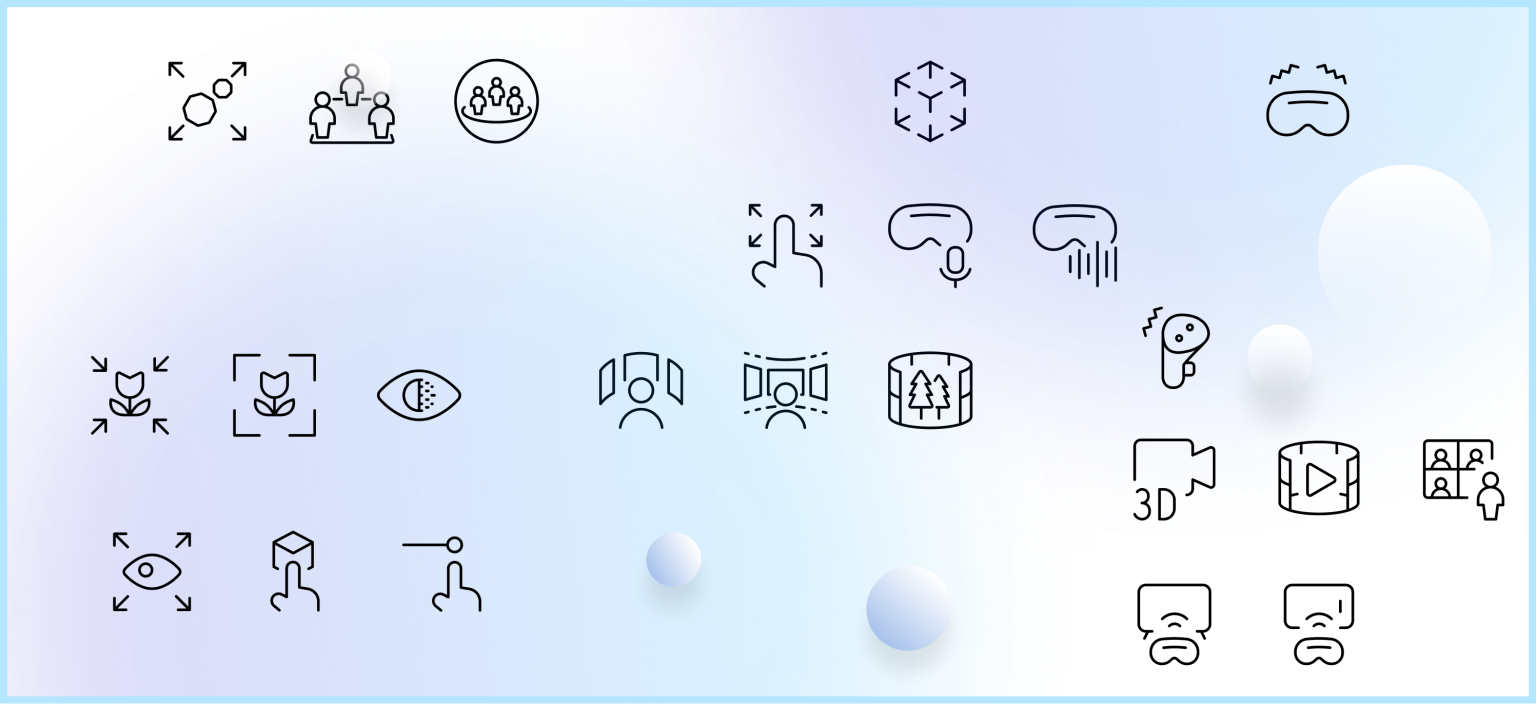
- Scale and perspective — the user experiences space, not a layout.
- Intuitiveness — fewer explanations, more analogy.
- Time — plan pace, rhythm, and moments of quiet.
- Sound — in VR, audio guides attention and orientation.
Summary: does your brand need VR?
Not every brand. But if you want to show a product in a new way, build differentiation, or tell a story differently — VR is worth considering.
For designers it expands the role: you don’t just design screens, you design presence. If you’re thinking about VR for communication or product, it’s worth doing it with intent.
Want to talk about VR possibilities in your project?
Write to me - together we will create something you cannot scroll past.